


Threat of thirst
Report warns climate change may exhaust 40 to 80 percent of Philippines' water supply by 2040









Editor's note: In this weekly feature China Daily gives voice to Asia and its people. The stories presented come mainly from the Asia News Network (ANN), of which China Daily is among its 20 leading titles.
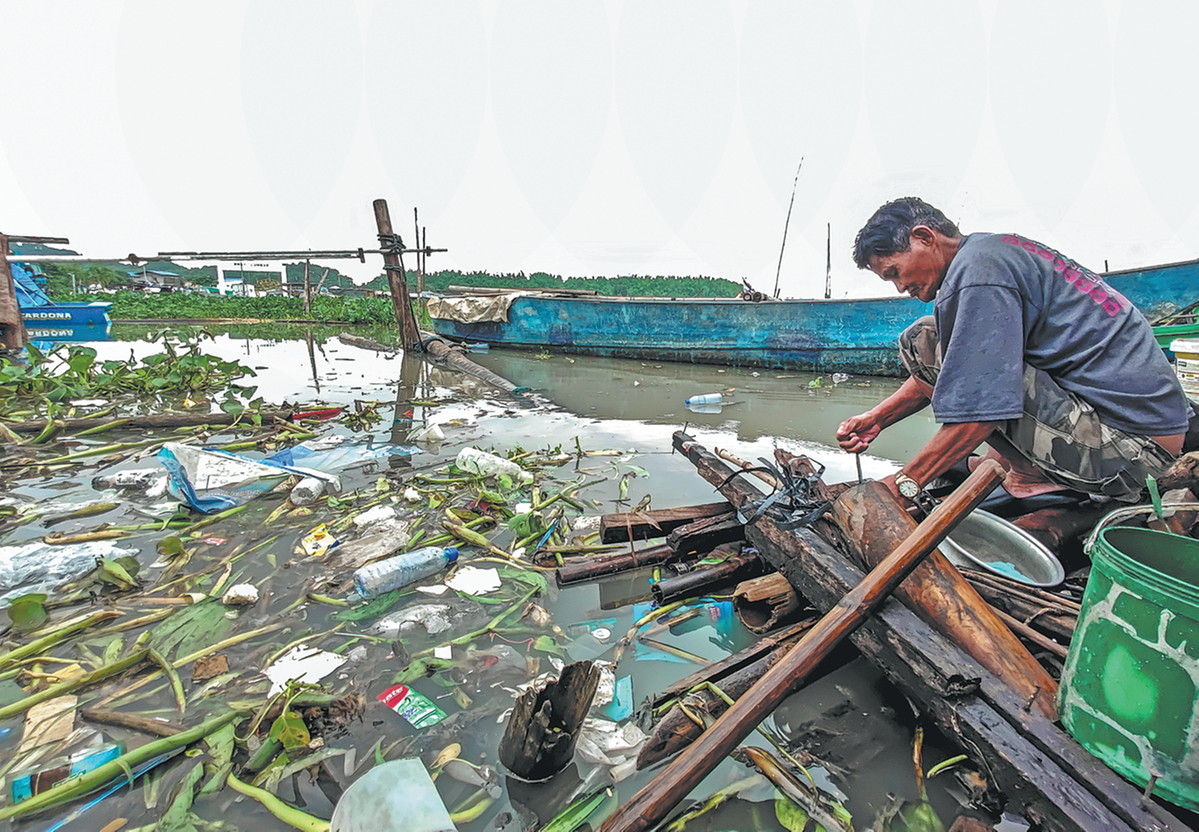
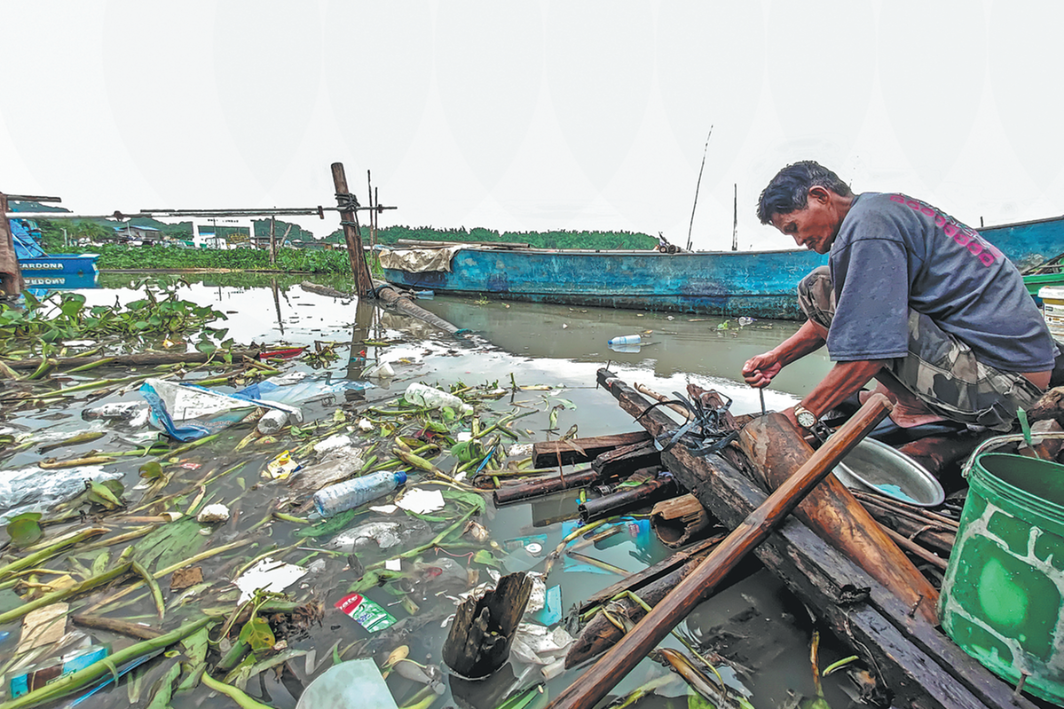
Natural disasters in the Philippines such as typhoons, floods and landslides, whose frequency and intensity are exacerbated by climate change, can disrupt access to water services and cause damage to sanitation infrastructure.
If unaddressed, a new report by UNICEF Philippines and the Department of Environment and Natural Resources warns that 40 to 80 percent of the country's water supply could be depleted by 2040 due to climate-related impacts.
Launched recently, the "Climate Landscape Analysis for Children in the Philippines" report highlights how climate change threatens one of the most vulnerable sectors of the population — children.
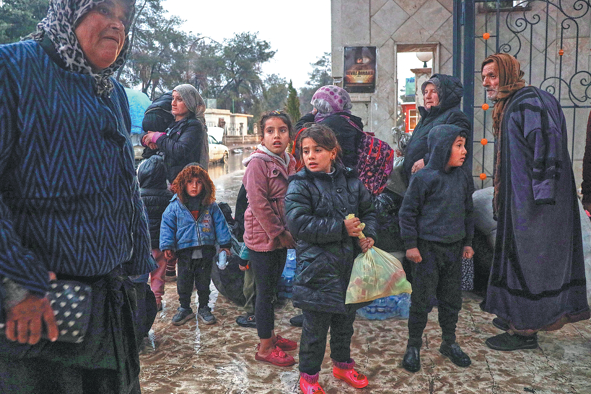
It pointed out that extreme weather events, often experienced by the Philippines as one of the most climate-vulnerable countries in the world, can disrupt classes, worsen malnutrition, contaminate water supply, and expose children to exploitation and displacement.
"Climate change is actively exacerbating health risks, creating a triple burden of disease, malnutrition and heat stress," said Robert Borje, vice-chair and executive director of the Climate Change Commission of the Philippines.
Speaking during the launch of the study, Borje noted that "water insecurity remains a critical vulnerability" in the Philippines, with only 48 percent of the population having access to safely managed potable water.
"As global temperatures rise, this scarcity is expected to intensify," he said.
According to the report, most schools in the country lack access to water and sanitation infrastructure such as toilets and hand-washing facilities, with 19 percent of students drinking from unimproved water sources or having no access to water at all.