



COVID controls fine-tuned in cities









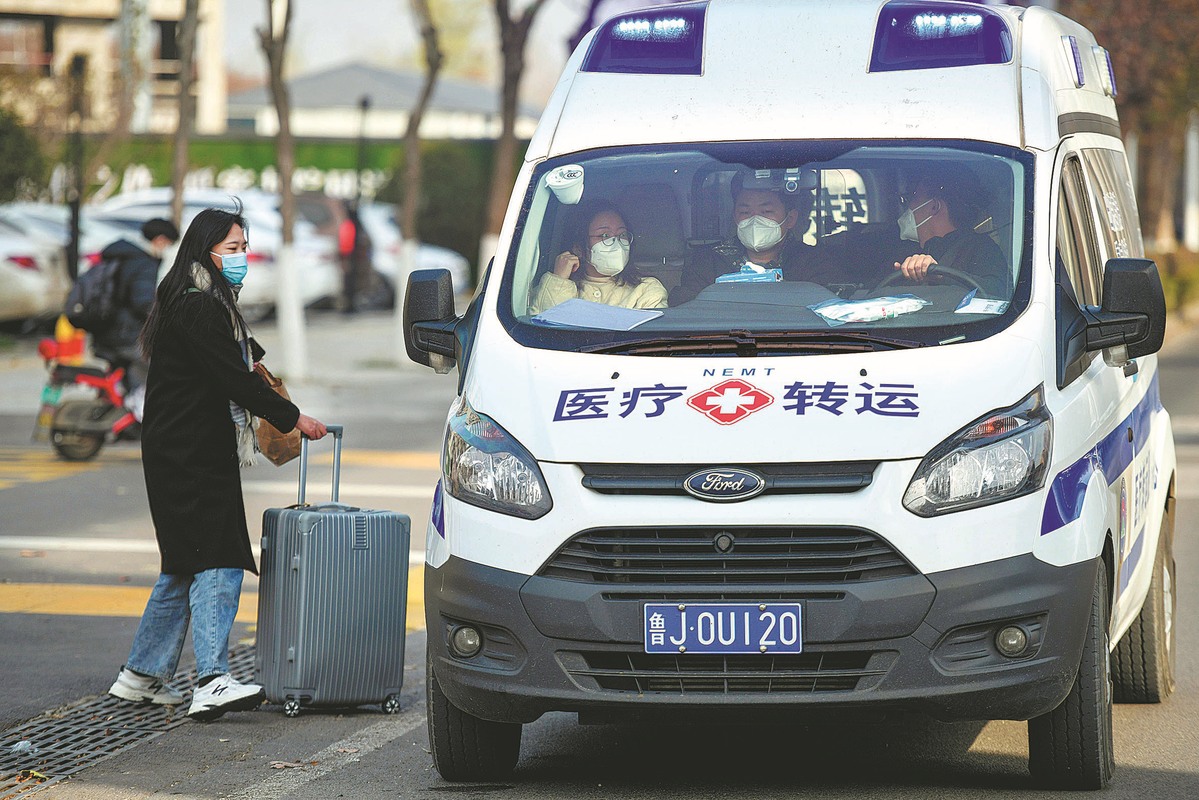
Optimized rules include reduced testing, better medical access
Several cities and provinces have recently optimized COVID-19 control measures concerning mass nucleic acid testing and medical services to minimize the impact on people and economic activity.
Starting on Monday, Shanghai will no longer require passengers to possess a negative nucleic acid test result when taking public transportation, including buses and subways, or when entering outdoor public spaces, according to an announcement made on Sunday afternoon.
The city is the latest to join other major Chinese cities in optimizing COVID-19 prevention and control measures to try to return normalcy to life and work following similar announcements by Beijing, Guangzhou and Chongqing.
Beijing announced on Friday that from Monday, public transportation, including buses and subways, may not turn away passengers without proof of a negative test result taken within 48 hours.
Certain groups, including the homebound, students studying online, infants and those working from home, are exempt from mass screening for COVID-19 if they do not need to go out.
However, people still need to show negative test results taken within 48 hours when entering public places such as supermarkets and shopping malls.


- Consumer rights protection disputes in new business models surge in Guangzhou
- French vloggers explore highland scenery and Tibetan culture in Yunnan
- Village in Jiangxi gives 100,000 yuan bonus to residents turning 100
- World's leading lab service provider opens China headquarters in Wuxi
- 'Ride to spring' becomes a major tourist attraction in Chongqing
- Lawmakers with disabilities advocate AI and robotics to improve lives





