



Chinese study finds aromas help plants resist cold weather









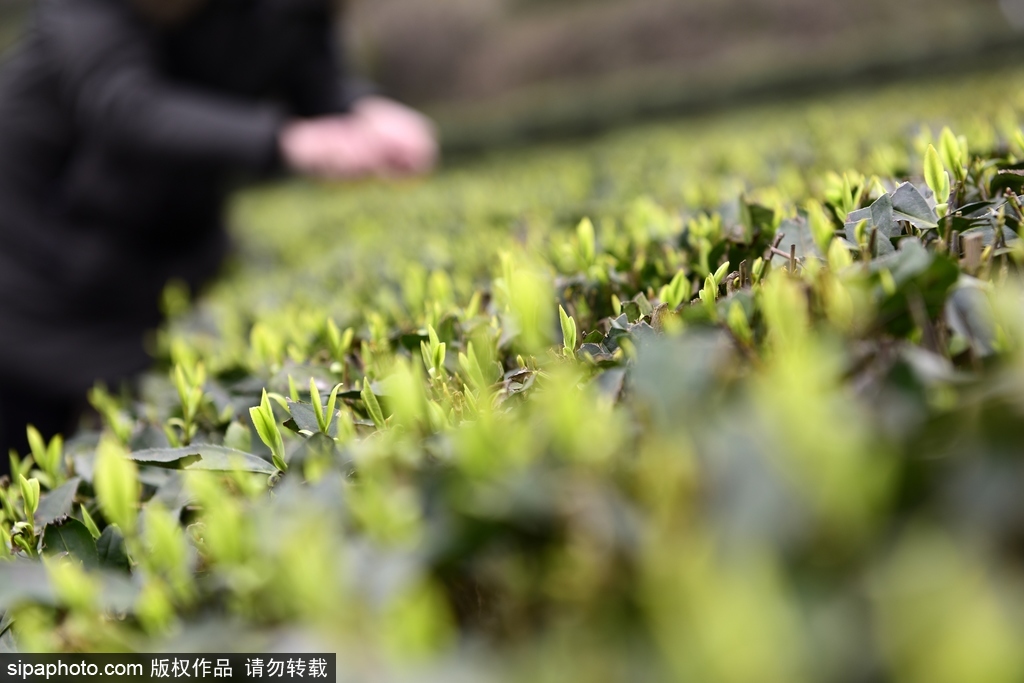
BEIJING - Aromatic plants not only have a sweet smell but also a strong tolerance to cold weather. A new Chinese study found that adding a floral scent to tea plants may help them withstand low temperatures.
Cold weather is an environmental stress factor that can limit the distribution, survival and growth of various plants. But the study published in the scientific journal New Phytologist says that increasing the concentration of aromatic substances in tea plants can enhance their resistance to cold temperatures.
Researchers from east China's Anhui Agriculture University have discovered that nerolidol, an aromatic substance accumulated in tea plants in cold weather, can be converted into a type of glucose by a key gene UGT91Q2. As the glucose is produced, it feeds the plant and is then gradually converted into other nutrients that promotes plant survival and growth when the temperature drops, subsequently enhancing the plant's cold tolerance.
Song Chuankui, lead researcher, said plants' cold resistance discovery might have significant potential applications in the food and cosmetics sectors.






- Thousands enjoy freshly cooked laba porridge in Sichuan
- Short videos highlight the beauty of Hebei
- Parkway Shanghai Hospital launches new international diagnosis and treatment center
- Burns Night in Wuxi bridges cultures through poetry and feast
- China courts step up enforcement, punish thousands for defying rulings
- Tianjin to join 'Beijing Commuting Circle' with expanded rail links