



Program continues the beautiful vitality of verse










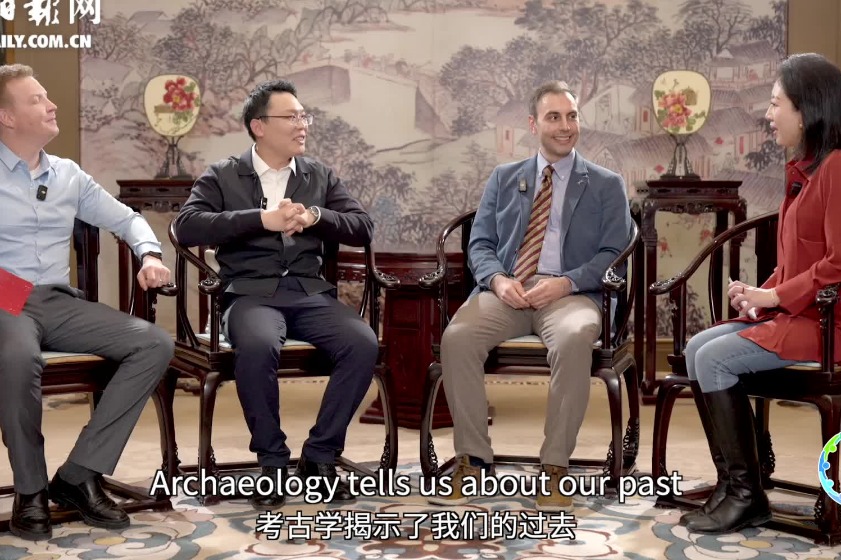
Li Guoqiang, vice-president of History Research of China, believes poetry preserves the imprint of history, with each line carrying the breath of its time.
"From frontier poems expressing aspirations of border defense to pastoral poems reflecting people's livelihoods, poetry is interpreted within concrete historical contexts, tracing the emotional and spiritual evolution of Chinese civilization.
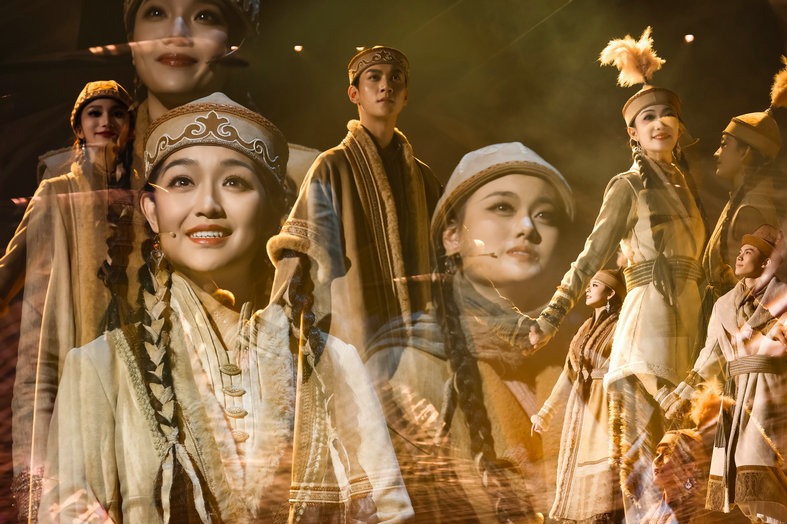
"The program not only presents poetic beauty, but also reveals institutional change, social life, and collective mentality through expert interpretation and contextual reconstruction, guiding audiences on a humanistic journey across time," Li adds.
To extend this journey beyond the screen, the program has gradually transformed poetic imagination into a tangible cultural experience, encouraging audiences to seek out the landscapes and histories embedded in verse.
On-location segments further connect poetry with travel. In Bijie, Guizhou province, drone footage of mountainsides ablaze with flowers vividly echoes the line of Ming Dynasty (1368-1644) poet Wang Shizhen: "Spring winds open flowers across ten thousand mountains; winding streams and crumbling cliffs reflect multicolored clouds."
Such scenes have inspired audiences to visit these landscapes. Leveraging the reach of Chinese Poetry Conference, locations celebrated in classical poetry have become popular destinations, prompting cultural and tourism authorities to develop integrated "poetry + tourism" initiatives.