


Ancient academies still influence modern education









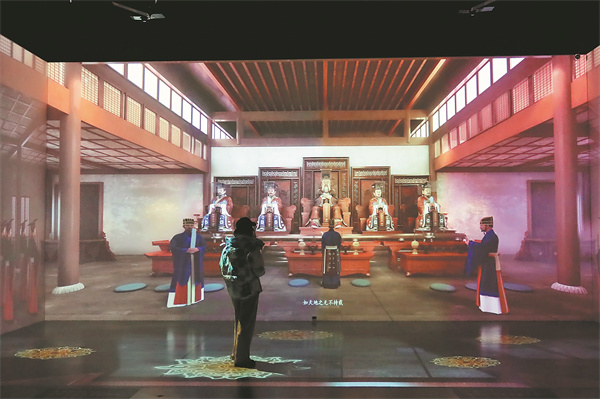
Among the key exhibits is Duice (countermeasure), a Tang Dynasty handwritten scroll found in the Mogao Caves in Dunhuang, Gansu province, which served as a reference book for scholars to prepare for exams. A series of rare books from the Song (960-1279) and Yuan (1271-1368) dynasties also remains key witnesses to the development of shuyuan.
During the Southern Song period (1127-1279), in particular, the boom in shuyuan coincided with the rise of a philosophical school known as Neo-Confucianism.
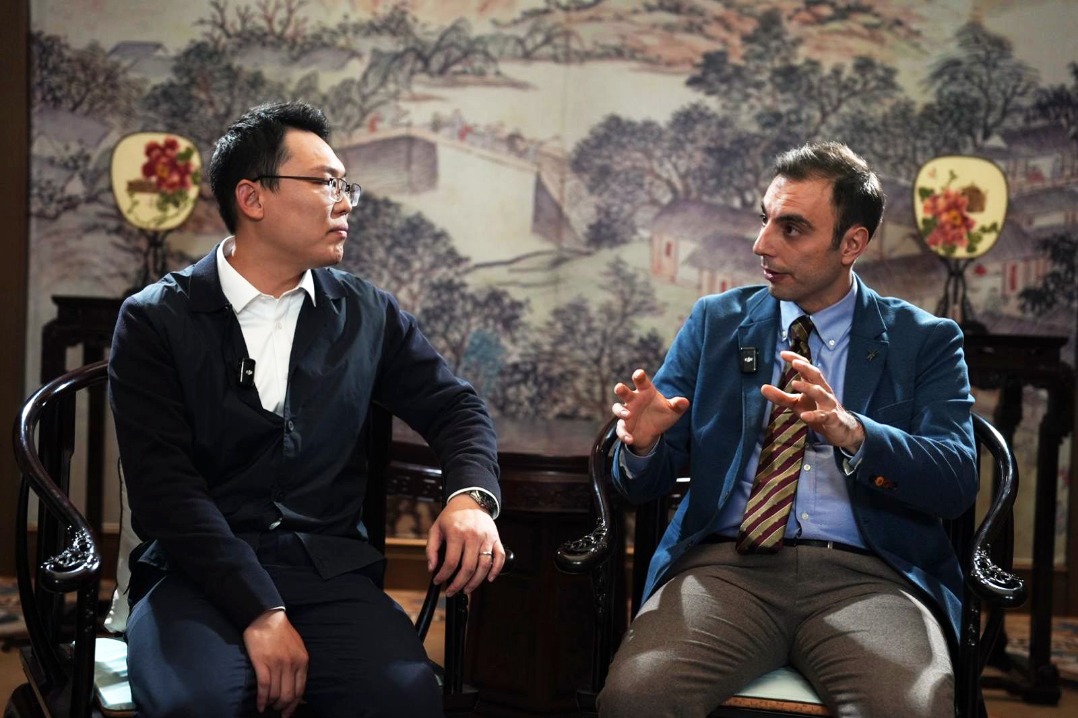
Both governments and the private sectors were involved in establishing this system of academies, enabling education to serve society, explains Deng Hongbo, a professor at the Yuelu Shuyuan of Hunan University.
"Shuyuan thus contributed to shaping how Chinese people think and our morals and ethics," Deng adds.
From the Ming Dynasty (1368-1644) on, shuyuan also deeply influenced neighboring regions, including the Korean Peninsula, Japan, and Southeast Asia.
To trace the origins of shuyuan culture, the exhibition curators naturally expanded the time span and perspective of its evolution to a broader perspective of literary history.
An inscribed oracle bone from the Shang Dynasty (c.16th to 11th century BC) documented an emphasis on education. Oracle bone inscriptions are the earliest-known established form of the Chinese writing system.
Time has taken its toll on the Xiping Stone Classics, the official Confucian classics carved on stones during the Eastern Han Dynasty (25-220). However, a broken piece on which some words from Confucius' The Analects were carved, may have demonstrated how the strength of education overcame the erosion of time.
From the mid-19th century, the ailing Qing Dynasty began facing a deep social crisis due to the impact of the dominant Western powers. The reform of the traditional education system seemed urgent. In 1901, following the emperor's edict, traditional shuyuan gradually turned into modern schools.
"Nevertheless, their values still shine today when people search for references in innovation," Deng says.
The motto "to seek truth from facts" once hung in the Yuelu Shuyuan to encourage knowledge-thirsty students. Today, it is a key principle of China's national governance, guiding the country's continued reform and opening-up.
"Our modern mindsets are connected to shuyuan legacies," Wei says. "Key elements of ancient wisdom have always been enriched with the flow of time."