


American scholars warn US threatens global legal order









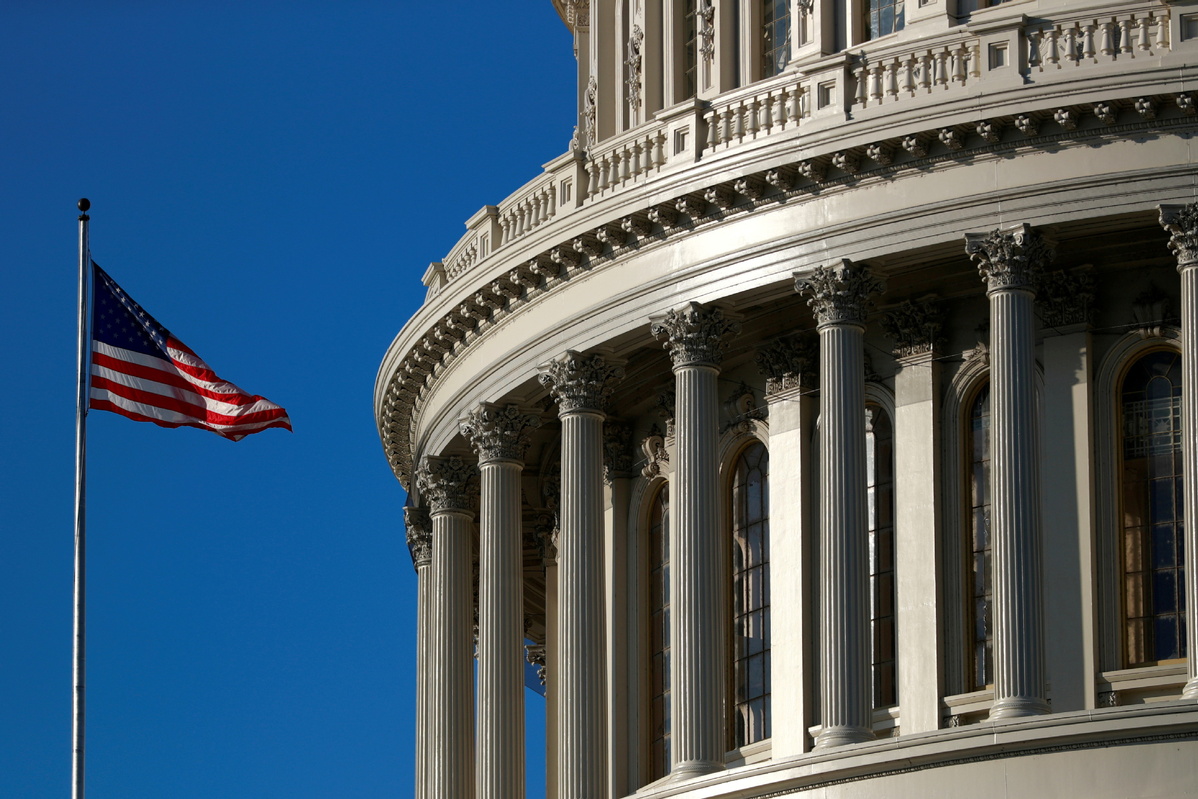
An article by legal scholars Oona A. Hathaway and Scott J. Shapiro on Foreign Affairs on January 13 pointed out that the government of the United States' ignorance of international law is threatening the post-World War II global legal order, risking guiding the world into a lawless order.
A series of earlier claims by the current US government, for instance, the US would "take back" the Panama Canal, make Canada a US state, acquire Greenland, and "own" Gaza, were deemed as erratic and violations of "the use of force" embodied in the UN Charter by foreign policy experts, the article said, hitting the nail on the head.
The authors illustrated further by citing the US' military assault of Venezuela and the kidnapping of its President, Nicolás Maduro, on January 3 with no authorization by the UN Security Council or the US Congress. The attack had neither a credible claim of self-defense nor a legal rationale, identifying this escalation as the most damaging attack on the existing rules-based order and a threat to the international legal system.
The article listed the historical evolution of constraints on the use of force from a legal angle. Historically, while the intention of war had legitimacy, it remained subject to constraints, with countries offering their legal basis first.
The current common consensus rejects one state using force to attack another nation if it is not in self-defense or without collective authorization by the UN Security Council. However, the US government is attacking this legal system through sanctioning International Criminal Court judges and lawyers, setting up trade barriers, violating WTO agreements, withholding UN dues, and discarding treaties.
The US administration's approach to international law is deeply troubling because it not only breaks the law, such as in the case of Venezuela, but also disregards legal constraints entirely, the article said. The US is using oil blockades, coercive seizures, and military threats to extract political and economic concessions from other countries.
The authors warn that such actions not only violate the UN Charter but also signal a return to "gunboat diplomacy," where power alone dictates rights, leading to a profoundly dangerous and unjust world.