



Centuries-old Muqam art finds new vigor in Xinjiang’s Shache county









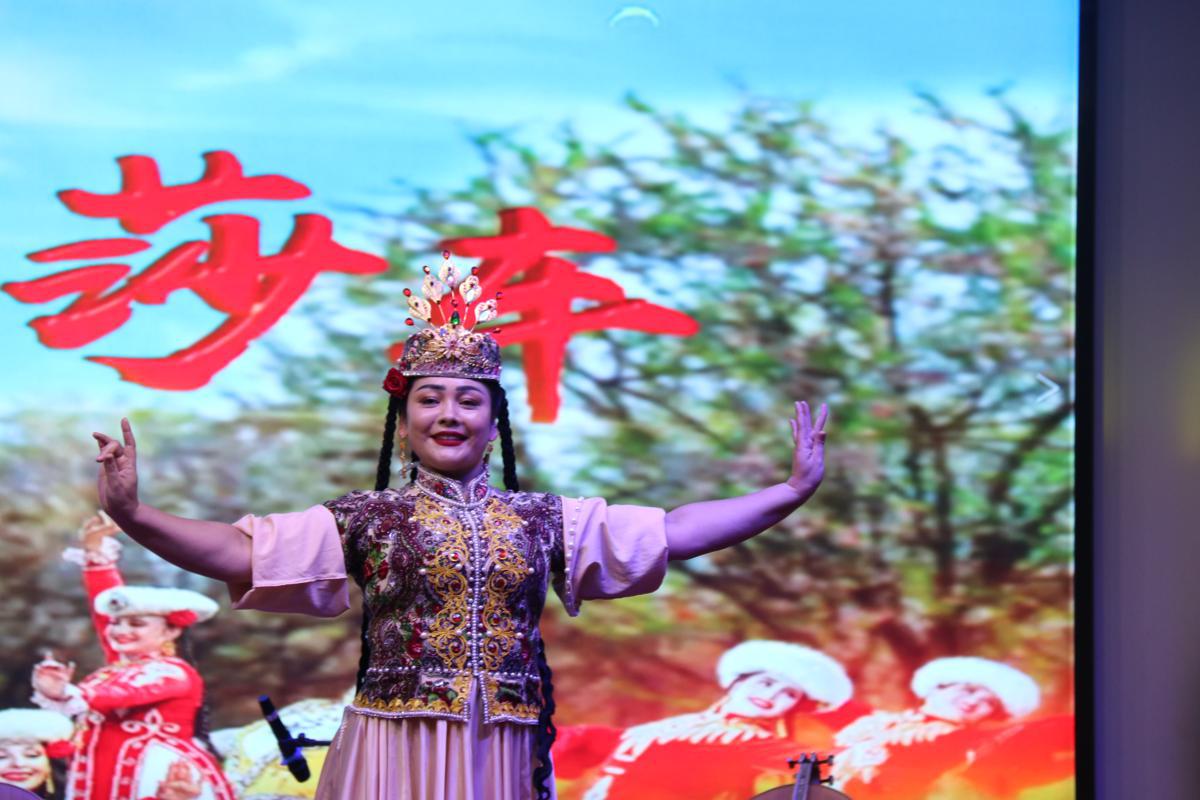
The Uygur Muqam art, an ancient synthesis of song, dance and instrumentation, has experienced a new vigor in its birthplace of Shache county, Northwest China's Xinjiang Uygur autonomous region.
Inscribed by UNESCO in 2005 as an Intangible Cultural Heritage of Humanity, the 12 Muqam genres date back to the mid-16th century. Palace performers of that era compiled folk melodies sung for millenniums into 12 anthologies, giving rise to the 12 Muqams as they are known today. This rich heritage earned Shache the moniker hometown of the 12 Muqams.
To safeguard this cultural legacy, Shache established the Muqam Heritage Center in 2007 and launched the 12 Muqams culture and art festival. This catalyzed a multifaceted drive to inherit, promote and breathe new life into the age-old traditions.
Beyond its exhibitions of artifacts and musical instruments, the center trains folk artists recruited from local villages, hosting daily rehearsals and performances. Inheritors now hone their craft here, enchanting visitors with shows that unveil the splendors of this cultural gem.
Whether urban or rural, Shache's residents from all walks of life share a passion for the 12 Muqams. Wherever people congregate, the melodies and dances arise. Over 1,000 registered Muqam artists span venerable masters and prodigious youth, all able to sing or dance excerpts from the revered anthologies.


- Shanghai Disney Resort launches 10th anniversary community giving program
- Premier Li reaffirms commitment to Hainan Free Trade Port development
- Xi takes part in deliberation at annual national legislative session
- China to strengthen protection of maritime interests
- China to accelerate push for tech self-reliance in new five-year plan: minister
- China to establish national fund for low-carbon transition, boost green economy: draft govt work report





