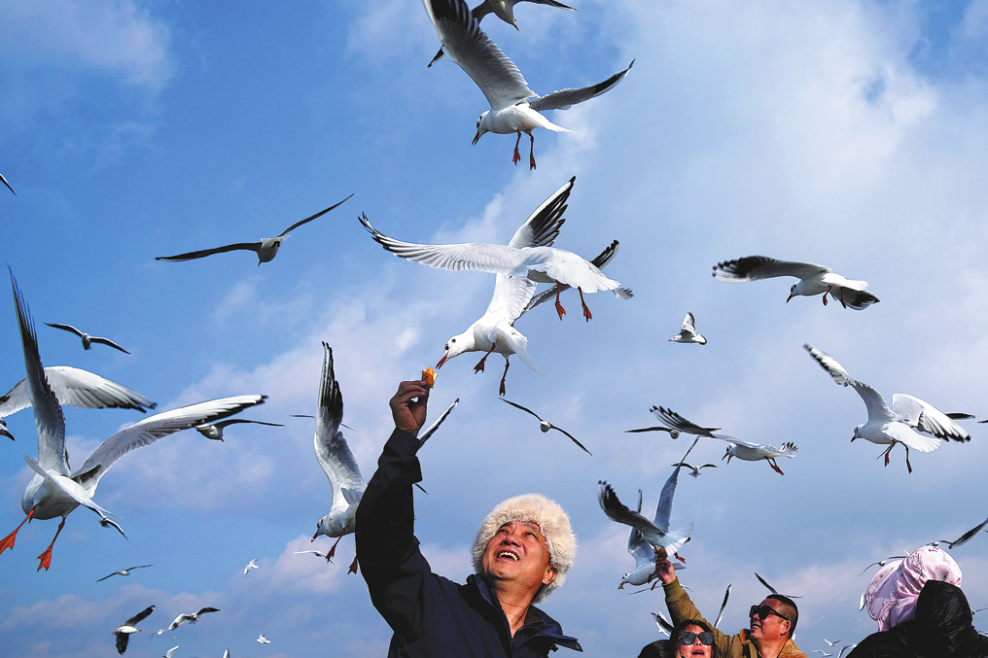



Growing number of species being protected









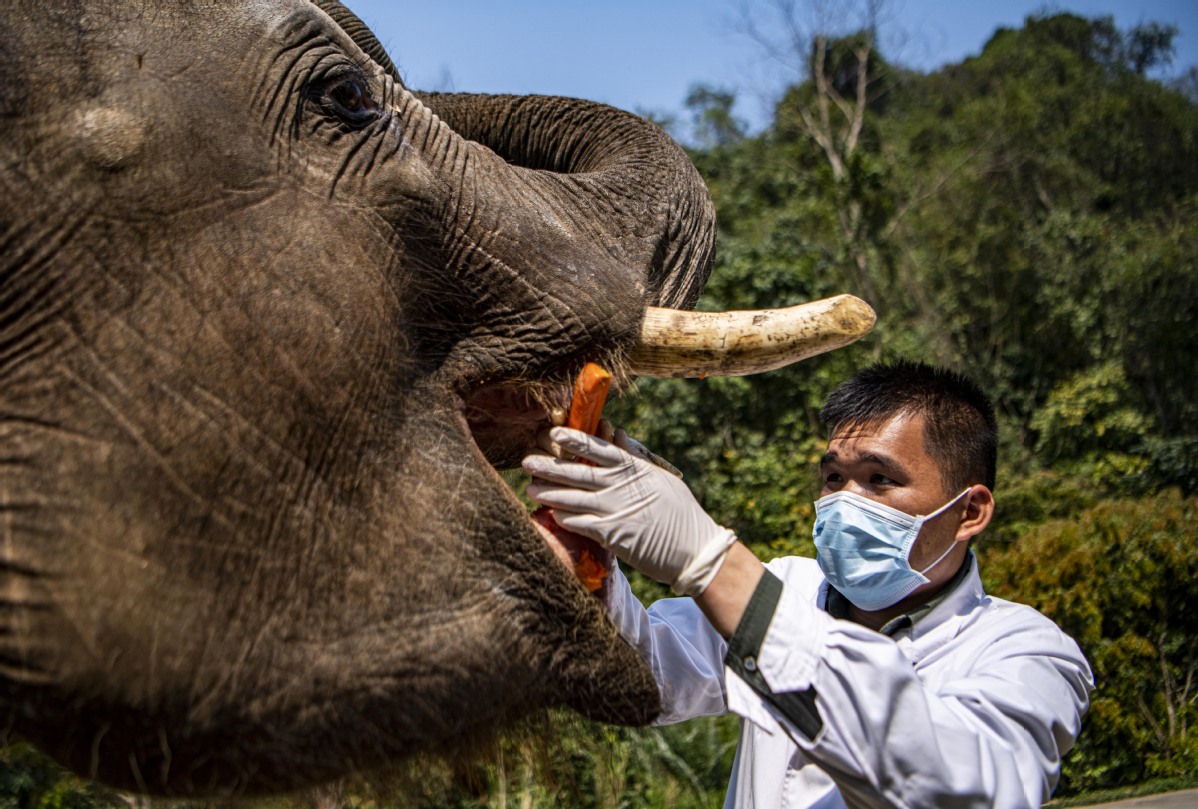
Technological aid
New technologies, adopted for captive-breeding research programs on a number of critically endangered species, and recent updates of the list of wild animals under priority State conservation have also played significant roles in the protection of biodiversity.
In addition to the successful attempts to raise the number of giant pandas, China has also marked a milestone in saving rare aquatic animals through captive-breeding programs.
They include the Yangtze finless porpoise, which was designated as "critically endangered" on the red list of threatened species by the International Union for Conservation of Nature in 2013.
So far, three finless porpoises have been bred in captivity in China, according to Hao Yujiang, an expert with the Institute of Hydrobiology at the Chinese Academy of Sciences.
He said a 4-year-old female named Beibei was released into the wild in July.
The finless porpoise is widely believed to be an important indicator of the Yangtze's environmental health. However, its numbers have declined dramatically over recent decades due to habitat loss, overfishing and climate change.





- Factory blast in China's Inner Mongolia kills 2, missing rises to 8, 84 injured
- Urumqi to host youth winter games
- China's satellite data shows iceberg A23a in final stage of disintegration
- Chinese woman, British man marry in Ming-style ceremony
- Guangzhou to screen all seniors in care homes for early signs of dementia
- Xi's special envoy attends Guinean president's inauguration