



China sees significant improvement in medical services









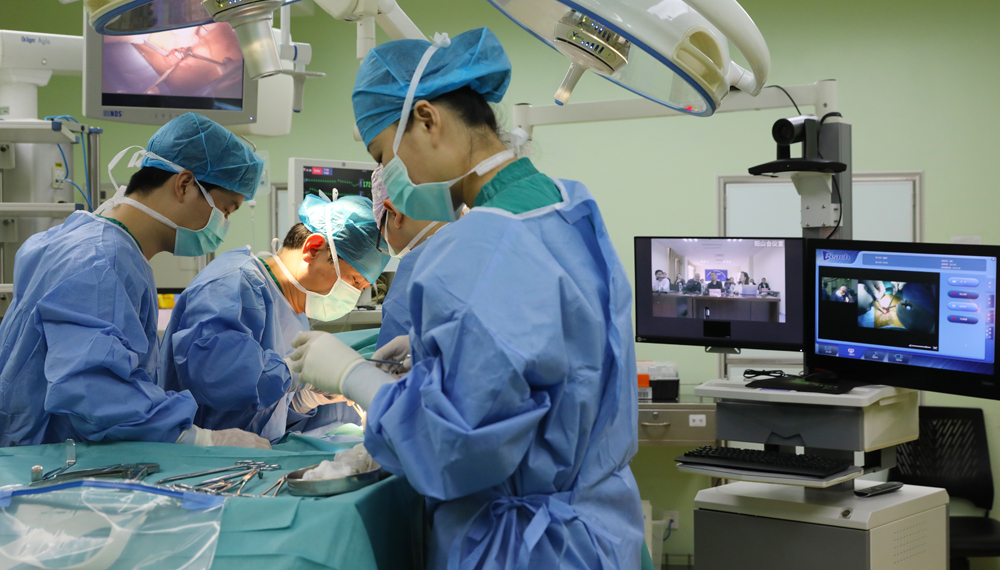
BEIJING - China has made significant progress in its medical services in recent years, especially since the launch of a scheme in 2015, the People's Daily reported Monday.
The scheme mostly aimed to solve problems with medical services concerning patients, and provide more convenient, safe and effective patient services.
More efforts have been put into "Internet Plus" medicine and health care to address issues such as time-consuming pre-treatment procedures and short appointments with doctors, the paper said.
Peking Union Medical College Hospital, for example, has launched an app so patients can make and change appointments without queuing at the hospital.
By integrating Internet technologies with medical care, service procedures and patient experience have been optimized. Currently, online appointments can be made available in all first-class hospitals in China, the paper reported.
It is expected that by 2020, more online services including treatment reminders, examination results and medical expense payment will be common in the country's first and second-class hospitals.
Telemedicine services have also been made available among different levels of medical institutions, covering all county-level hospitals in national-level poverty-stricken counties, the paper said.
China will make all effective measures part of modern hospital management to make medical services more secure, convenient, efficient and comfortable, the paper quoted an unidentified official with the National Health Commission as saying.


- Xinjiang to use geographical advantage to expand opening-up
- AI set to transform high-speed rail, adviser says
- Shanxi strengthens Yellow River basin governance
- Shenzhen park adjusts lighting for migratory birds
- Chinese airlines resume Middle East flights amid regional tensions
- Draft law will provide direction for further promotion of ethnic unity





