



China on the way to revive majesty of Asian elephants









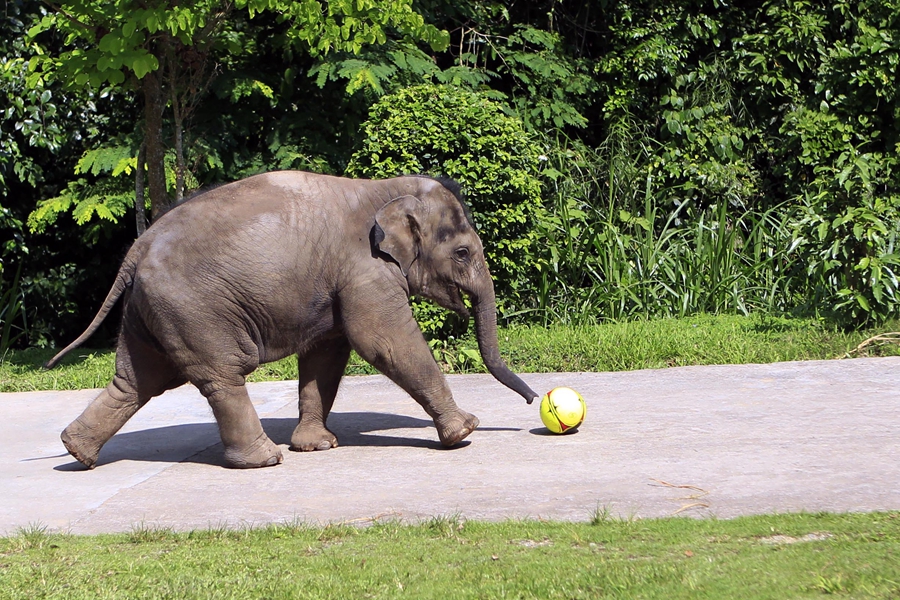
"Population growth, reclamation expansion, and a decrease of habitats for wild elephants are the primary causes for the conflicts," said Chen Mingyong, a professor at Yunnan University.
The simple digestive system of Asian elephants makes them easy to feel hungry. They have to eat about 300 kg of plants every day. "If the forests can't meet their needs, they may risk stepping into farmland to fill their belly," according to Chen.
The increase in the number of wild Asian elephants in recent years comes with more activity, and an overlap of animal habitats and places of human activities.
"Some rivers and valleys have been turned into farmland for rubber, tea, and corn for economic benefits. Infrastructure construction destroys the homes of wildlife animals," Chen said.


- Innovation drives China's space industry success
- Chinese universities to transform from 'idea parks' to industrial 'engines', says national adviser
- Qinghai establishes China's first plateau medical research center
- Culture minister emphasizes importance of high-quality cultural works
- Beyond 10t yuan: How Shandong aims to power ahead
- CPPCC members attend group interview before 2nd plenary meeting





