



Incense-maker passes on 150-year-old Arabic scent









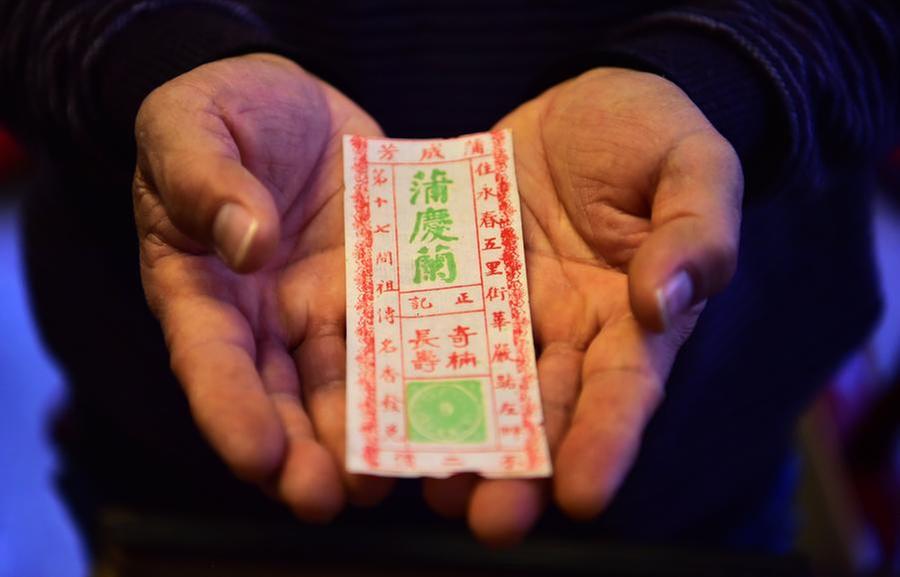 |
| Pu Lianggong still uses an old packaging for his incense. [Photo/Xinhua] |
Despite its Arabic origin, Pu's incense is different from the scented chips called "bukhoor" in most Arab countries. Similar to Chinese stick incense, it is bamboo sticks wrapped by grinded spices.
Today, there are machines that can make dozens of kilograms of incense in an hour, but Pu Lianggong insists on making incense by hand. The adept craftsman is never tired of selecting spices, pulverising ingredients into fine powder and applying the powder to bamboo sticks.
Incense has been widely used in China in ceremonies and as medicine for more than 2,000 years. Influenced by the Pu family, incense making has become a local industry in Dapu Town of Quanzhou City. There are about 300 incense manufacturers in Dapu, with more than 30,000 people working in the industry.


- Chinese leaders attend deliberations at annual legislative session
- China names flag bearers for Milano-Cortina 2026 Winter Paralympics
- NPC deputies from military, armed police review government work report
- Xi urges major provincial economies to gain experience in solving new problems
- Professional managers key to rural vitalization, expert says
- Chinese clinical trial shows breakthrough in liver cancer survival





